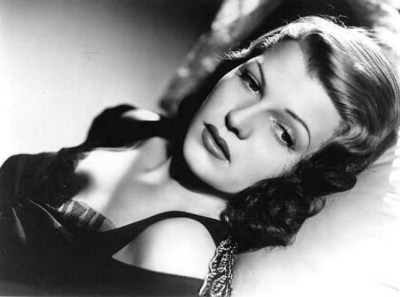




In celebration of Lillian Gish whose 120th birthday falls today. Below you can watch her introducing one of her greatest films, The Wind (1928).

It is one of the most remarkable American films of the silent era, produced by its star, and helmed by the Swedish director Victor Sjostrom (anglicized to Seastrom), who later in life played the old Professor in Ingmar Bergman’s “Wild Strawberries”.

The version to see is the one presented by TCM in collaboration with Oscar-winning film historian, Kevin Brownlow, with a specially composed musical score by Carl Davis. (Music buffs might be interested to know that the orchestrators on this score, which includes all manner of orchestral “special effects”, were Colin and David Matthews, leading avant-garde composers in their own right. Colin has also worked extensively with the Benjamin Britten Estate to bring many of Britten’s “lost” compositions back into the repertoire).

I attended the premiere of this version of The Wind at the London Film Festival in the 80s, and it was a knockout.
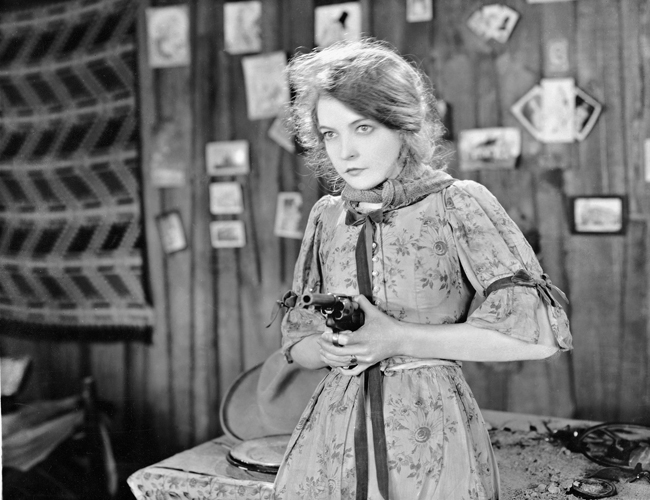
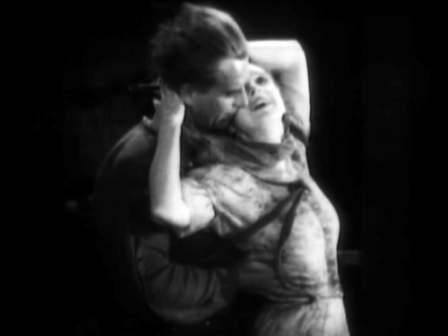
At a later screening in New York’s Radio City Music Hall I had a chance to meet Ms. Gish, and she was the personification of charm and old-world Hollywood graciousness. The following clip, alas, features music other than Carl’s, but it gives you an idea of the extraordinary imagery that drives this story of a girl pushed to the limit of her sanity by events in this inhospitable, windswept country.


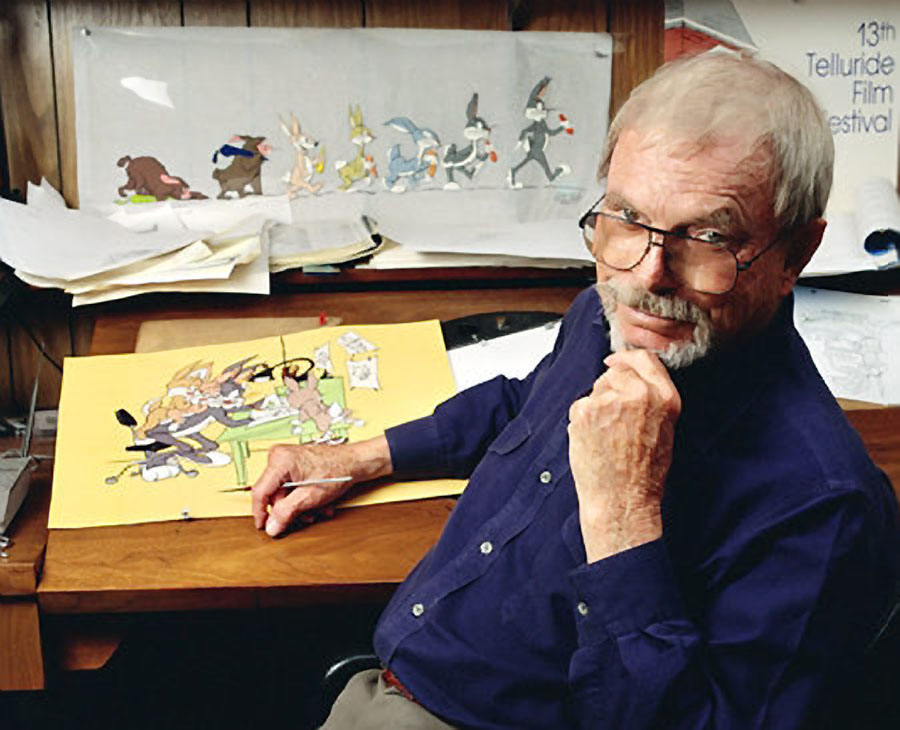
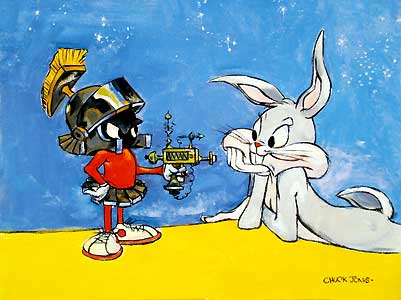
Happy 101st, Chuck Jones!
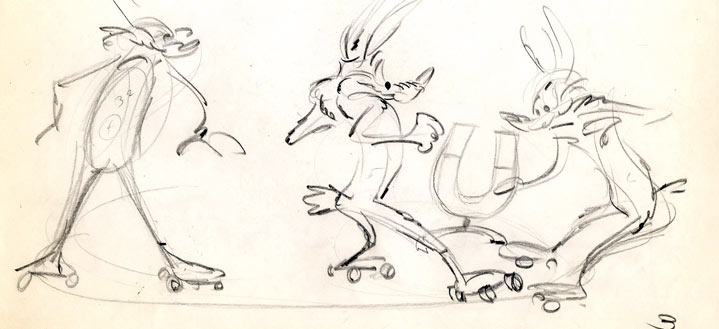

Richard Williams (Who Framed Roger Rabbit) and Chuck Jones (right)
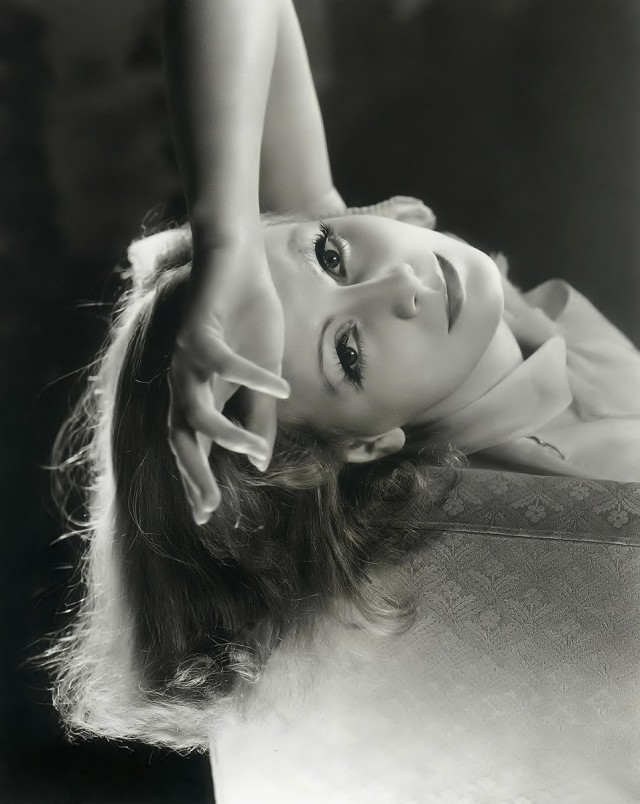
Today would have been Greta Garbo’s 108th birthday. She is still considered one of the greatest sirens of the silver screen, a truly iconic figure embodying all the mystery and allure that the camera can bestow on the feminine form.
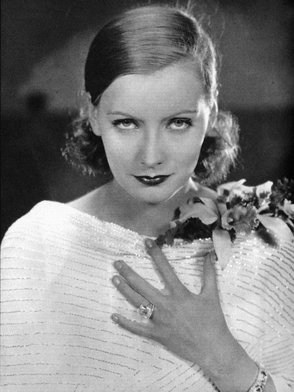
Want proof? Look no further than the following.
The year was 1926.
Filming a pivotal scene for Flesh and the Devil, the story of an illicit romance á la Anna Karenina, director Clarence Brown had little idea of how life was about to mirror art.
It was the scene where the leading lady, Greta Garbo, was to meet her great love, John Gilbert, for the first time. In real life as well as on screen.

It’s the scene in the train station (alas, not available in clip form). When you watch it, you can almost believe you are watching the actors falling in love at the same time as their characters do. According to Gilbert’s daughter, Leatrice Gilbert Fountain, whom I met at a screening of the film in New York, that is exactly what happened.
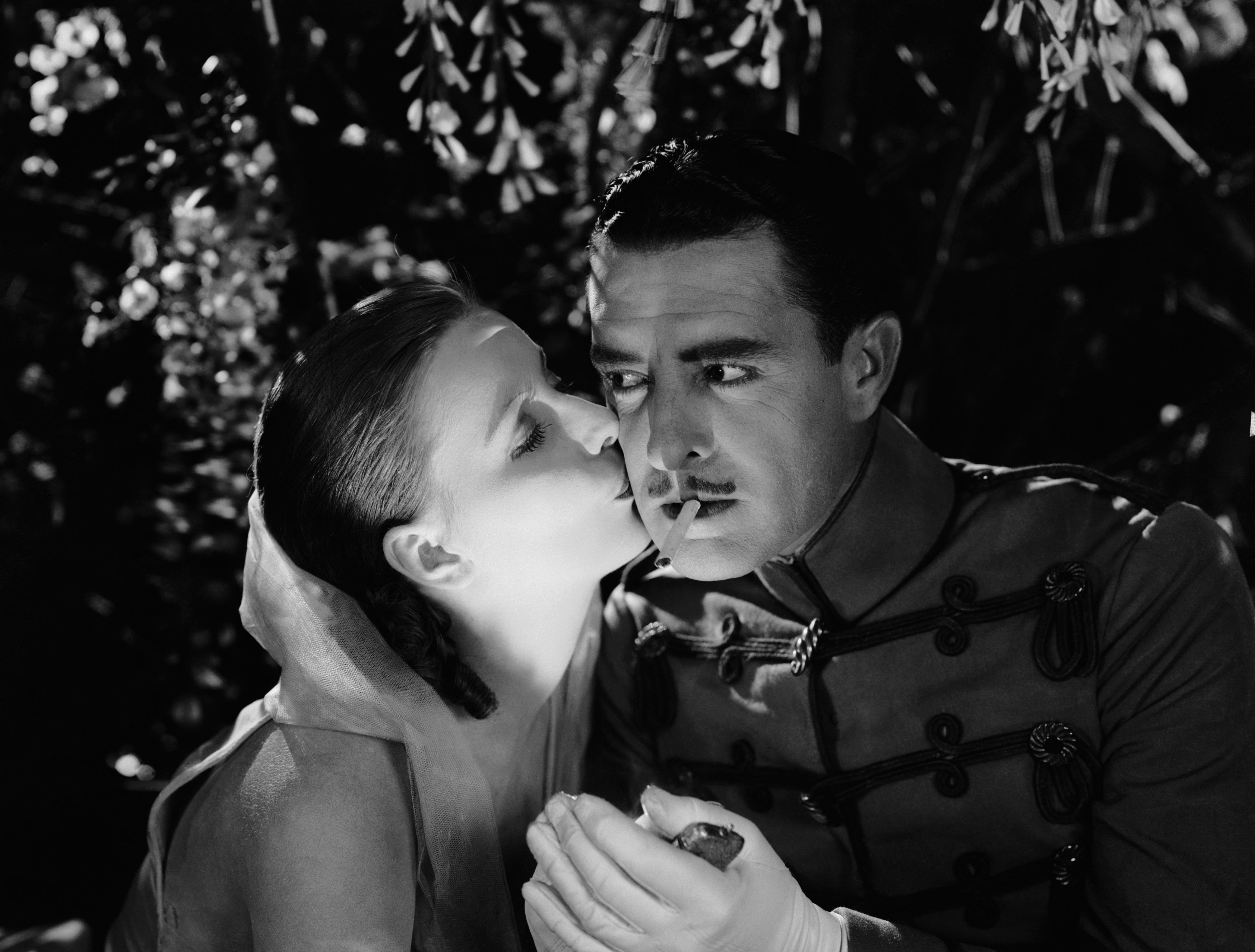
Director Clarence Brown later remarked upon his leading lady: “She had something behind the eyes that told the whole story. On the screen Garbo multiplied the effect of the scene I had taken. It was something she had that nobody else ever had.”
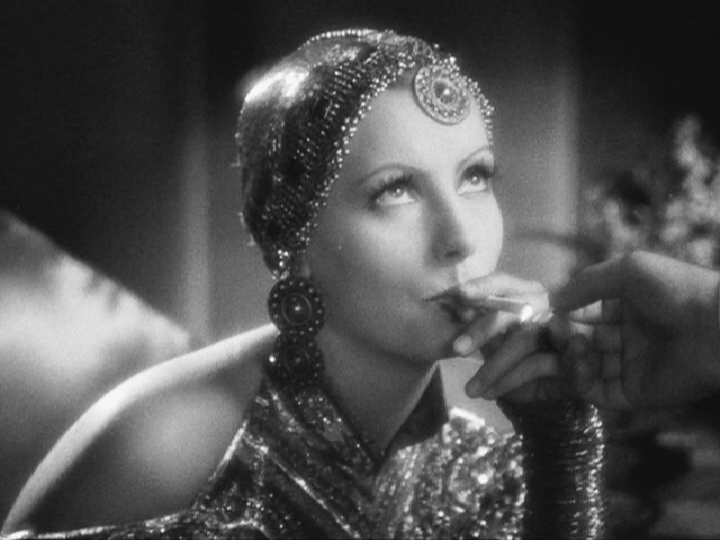
Creating Garbo’s deliriously sensual aura was the work of cinematographer William Daniels, a veteran collaborator of maverick director Erich von Stroheim. Using heavy gauzes and filters over the camera lens, he wraps the lovers in a shimmering passion and eroticism.
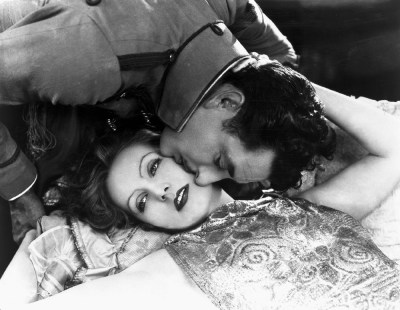
Listen to how Carl Davis’s score enhances the effect with its allusions to Richard Strauss, especially the Moonlight music from Capriccio.
You’re about to watch the climactic scene where the lovers kiss for the first time. It begins at a ball. Gilbert can think only of the woman he met at the train station. Will he see her again?
They move into the garden…..
Gilbert and Garbo were to marry. The story goes that, on his wedding day — a grand, Hollywood affair — Garbo failed to show. Gilbert got drunk and took it out on his boss, Louis B. Mayer. Mayer swore he would destroy Gilbert’s career. Gilbert never made the transition to talkies, ostensibly because of his reedy voice. But maybe the apocryphal version of how events unfolded holds the greater truth: could any man ever survive loving Garbo? (Or pissing off Louis B.?)
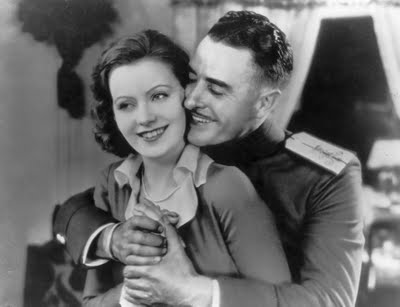
Even though Gilbert’s career was in decline, Garbo insisted that he co-star with her in Queen Christina (1933)
While Gilbert spiraled downwards, Garbo continued to ascend higher into the Hollywood heavens. With the arrival of talkies her accented voice beguiled as much as her looks, and she later revealed a talent for comedy in Lubitsch’s sublime Ninotchka (1939). Audiences were so accustomed to Garbo smoldering rather than smirking that the studio used her new-found levity as a log-line on their posters.

If you’re ever in need of a cinematic pick-me-up, look no further.

Even MGM’s Leo the Lion seems cowed by the Legend that was Garbo
Forget Helen of Troy. It was Garbo who not only launched a thousand and more ships of romantic dreams, but then dashed them upon the rocks of her early retirement and retreat from the world. She was, finally, alone.
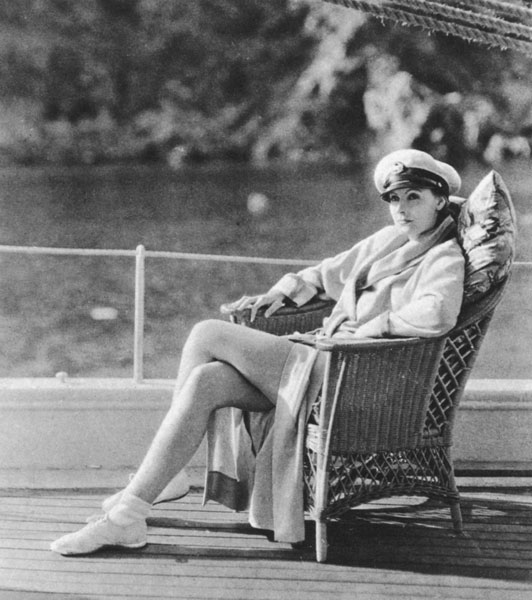
But in the garden of film immortals she awaits her lovers still….


As the stunning Kubrick exhibition prepares to depart Los Angeles, here is a quick tour (with some additional photos). Think of this as a prelude to a future perambulation through the Kubrickian maze….

“Essentially the film is a mythological statement. Its meaning has to be found on a sort of visceral, psychological level, rather than in a specific, literal explanation.” — Stanley Kubrick.

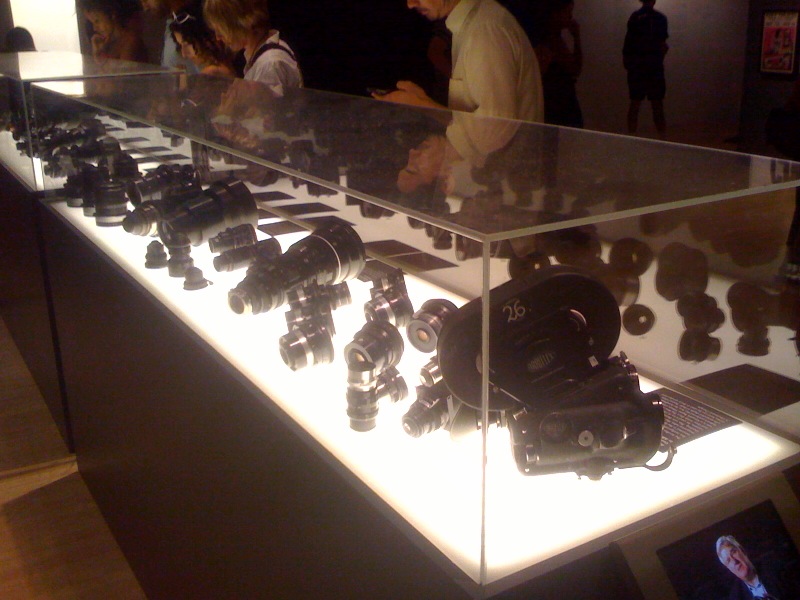
The altering eye: Kubrick’s cameras and lenses
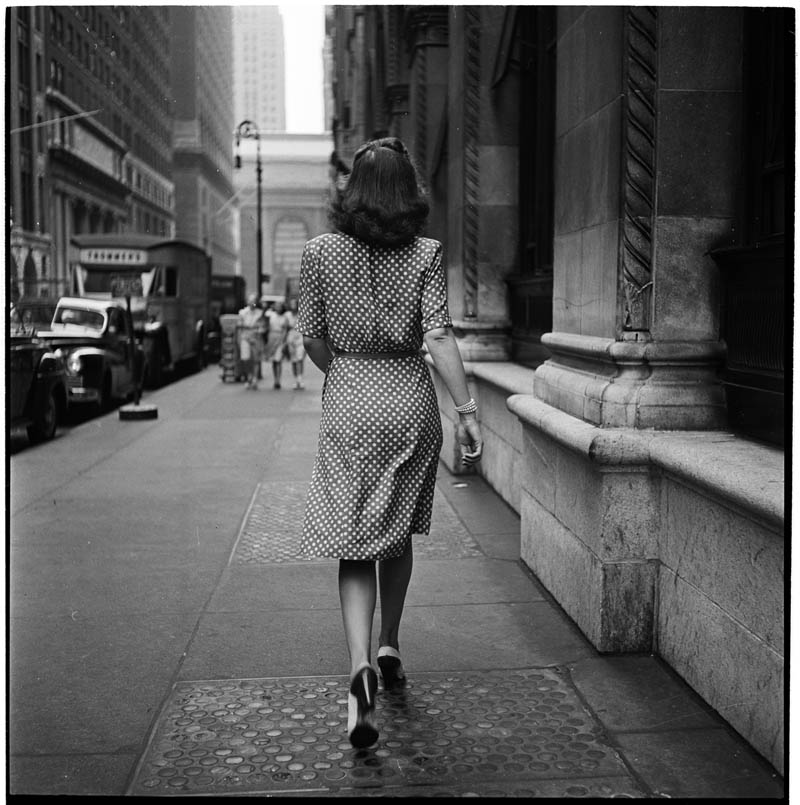
From Kubrick’s photos of New York life in the 1940s in Look magazine:
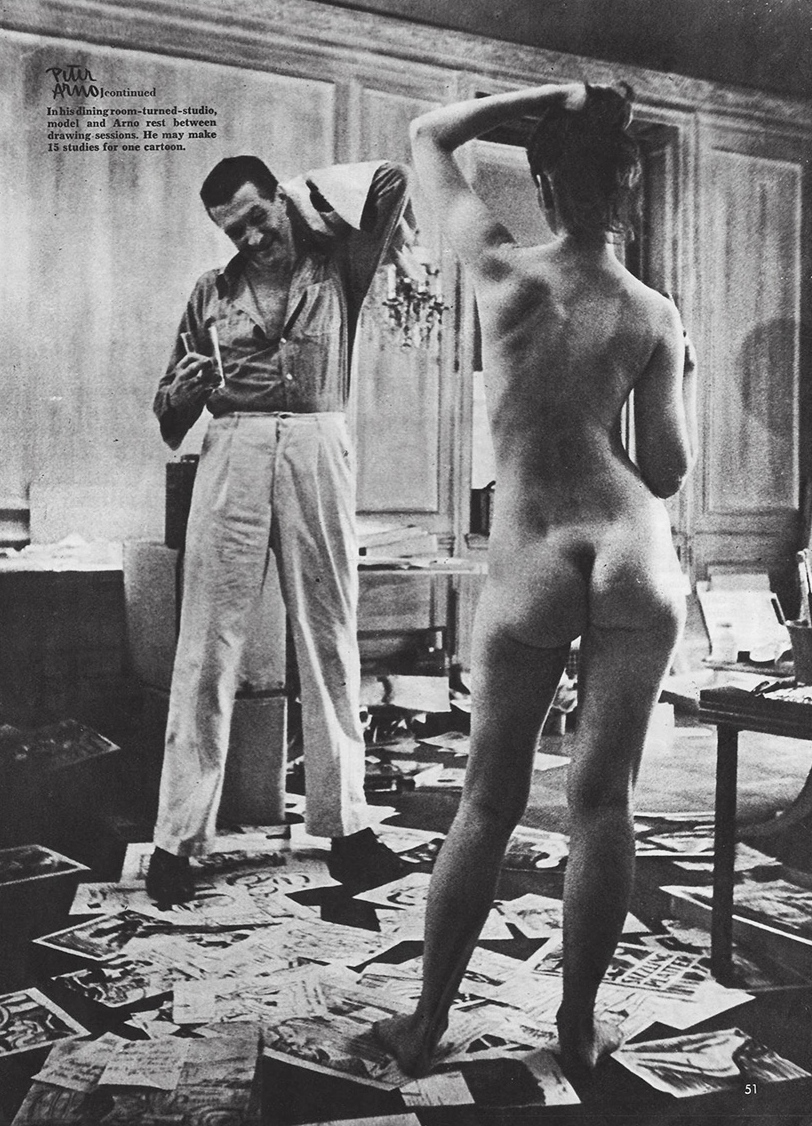
Cartoonist Peter Arno with model


Deep space and wide angles — Kubrick signatures

The Shining
The following shot — a Kubrick favorite
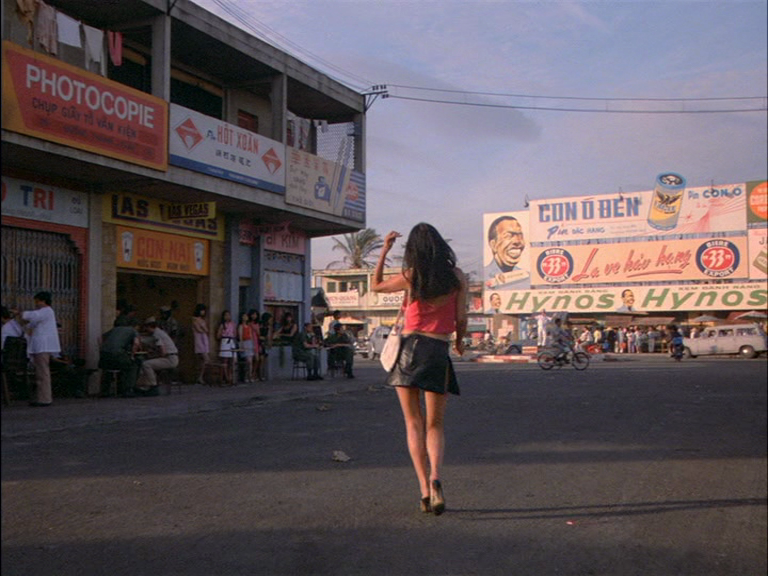
Full Metal Jacket

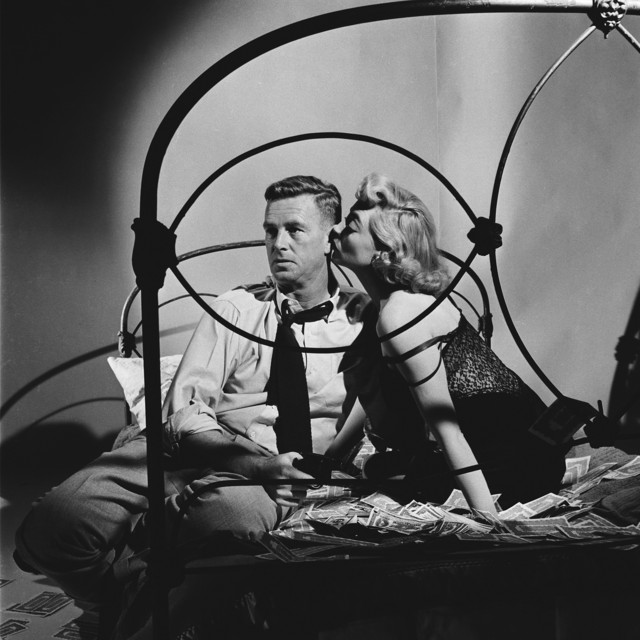
Sterling Hayden and Coleen Gray
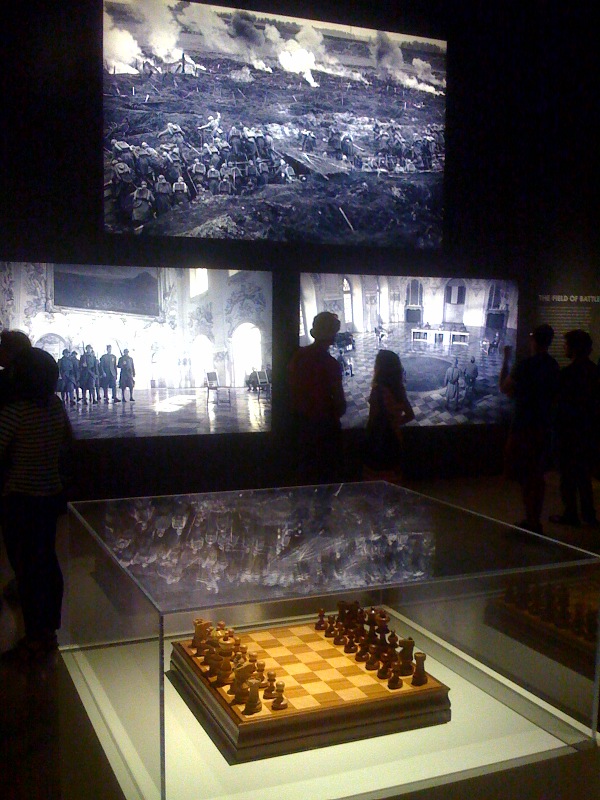
The art of strategy — the strategist in art. On set and onscreen Kubrick always had a chess game in progress (here in Paths of Glory)
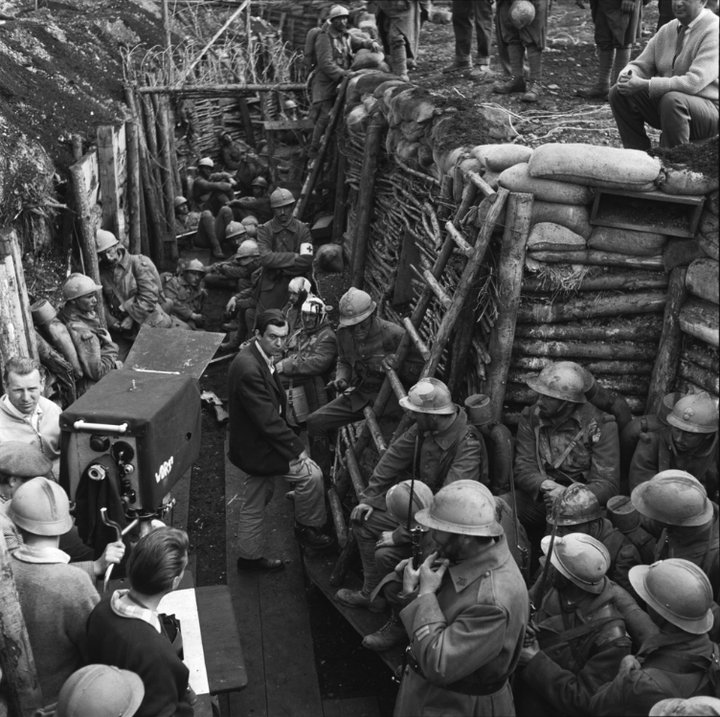
On location shooting Paths of Glory

The patterns of war: storyboards for Spartacus by the legendary Saul Bass

Costume for Crassus (Laurence Olivier)
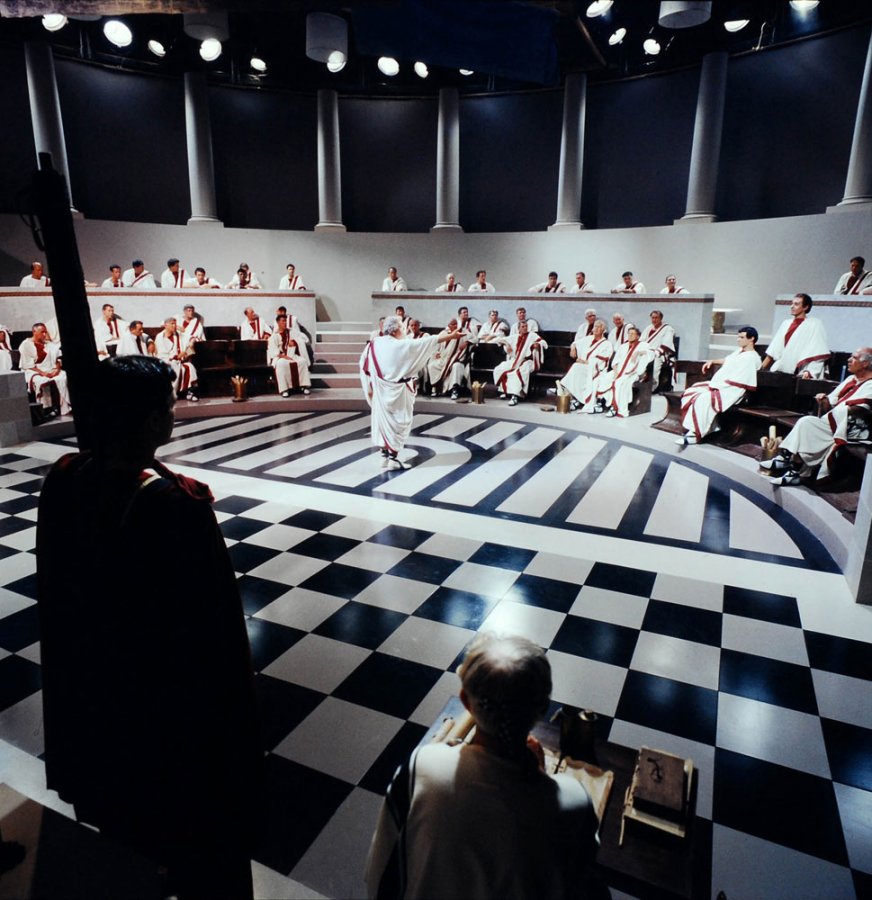
The Senate set
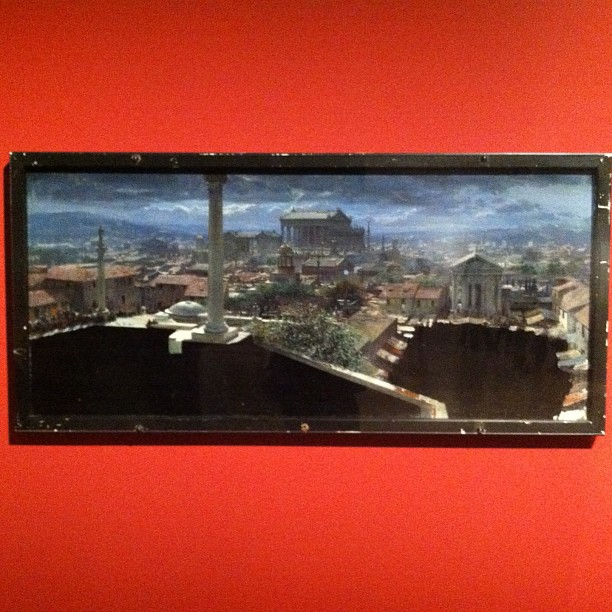
Matte painting for Spartacus by the legendary Peter Ellenshaw
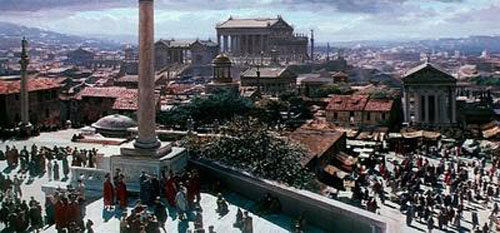
Finished scene
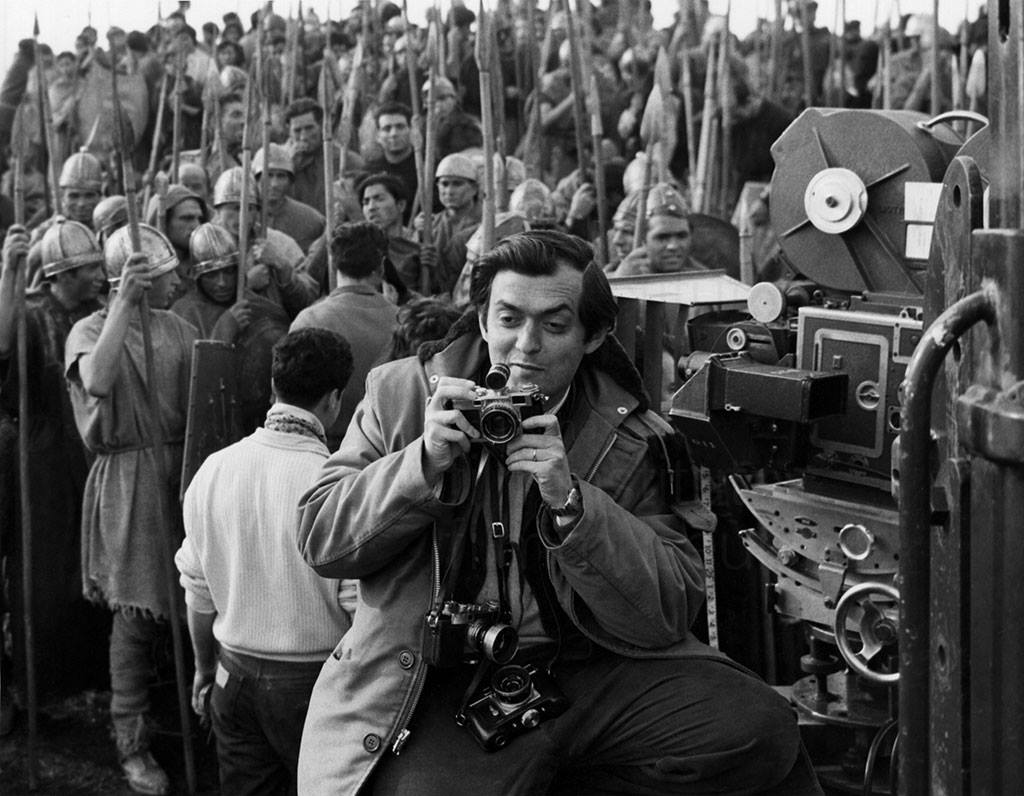
Shooting Spartacus
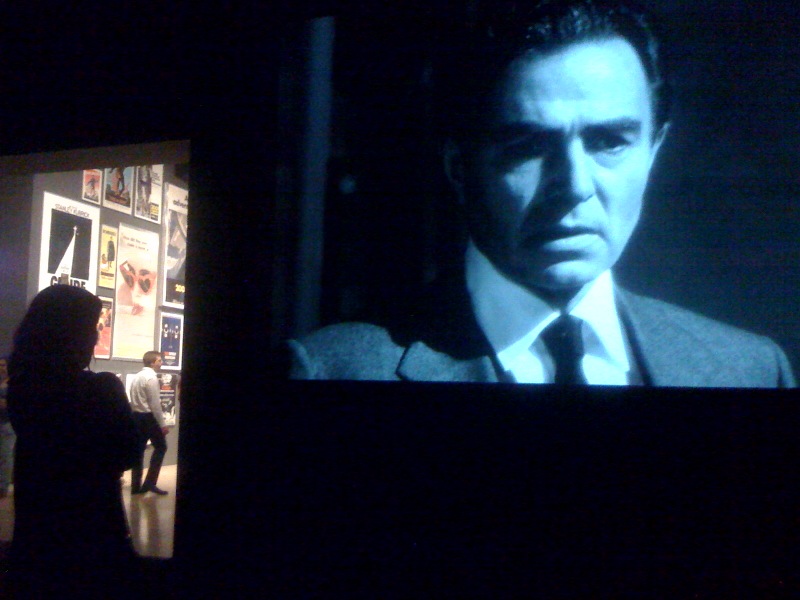
Contemplating James Mason contemplating Lolita….
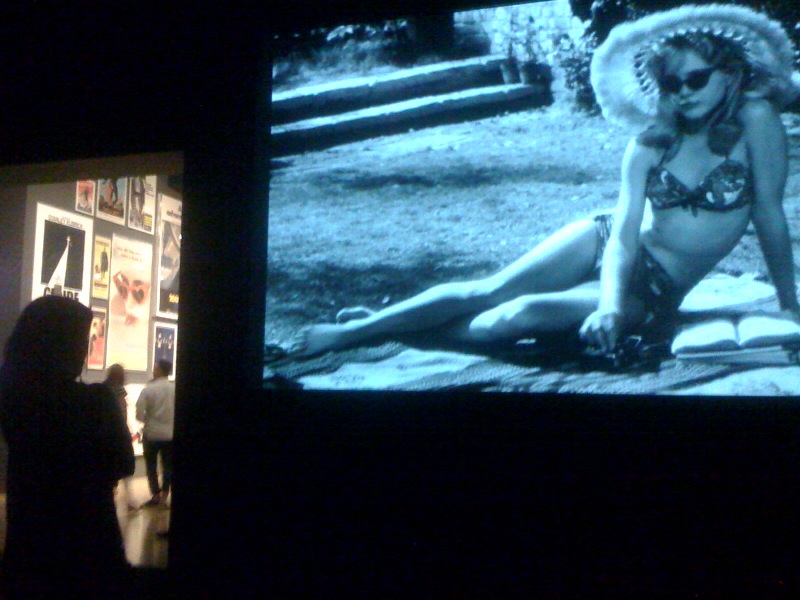
…. and Lolita contemplating us…..
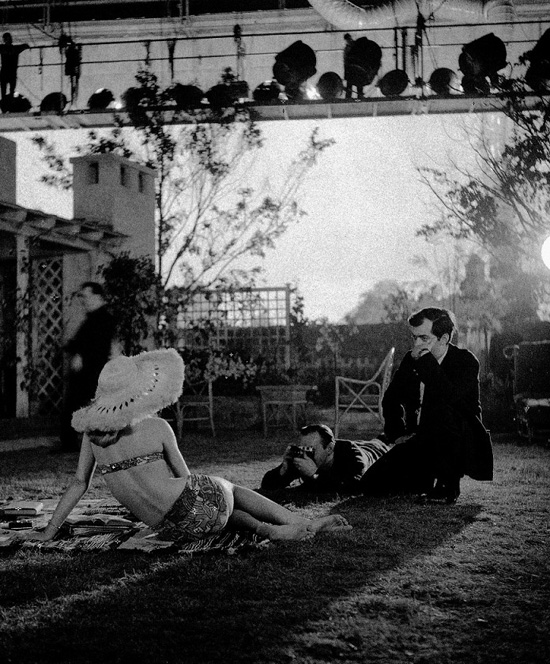
Kubrick and Sue Lyon (Lolita) photographing the iconic scene
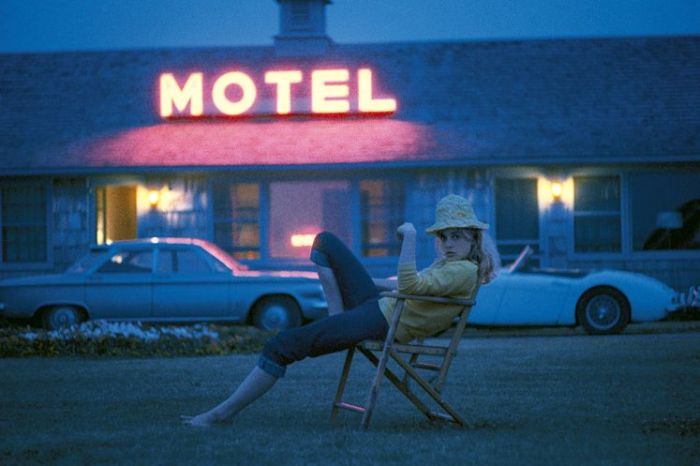
Promotional shot of Sue Lyon by Bert Stern
(More photos from Bert Stern’s legendary shoot can be found here).

Designing Armageddon: model of the War Room set from Dr. Strangelove
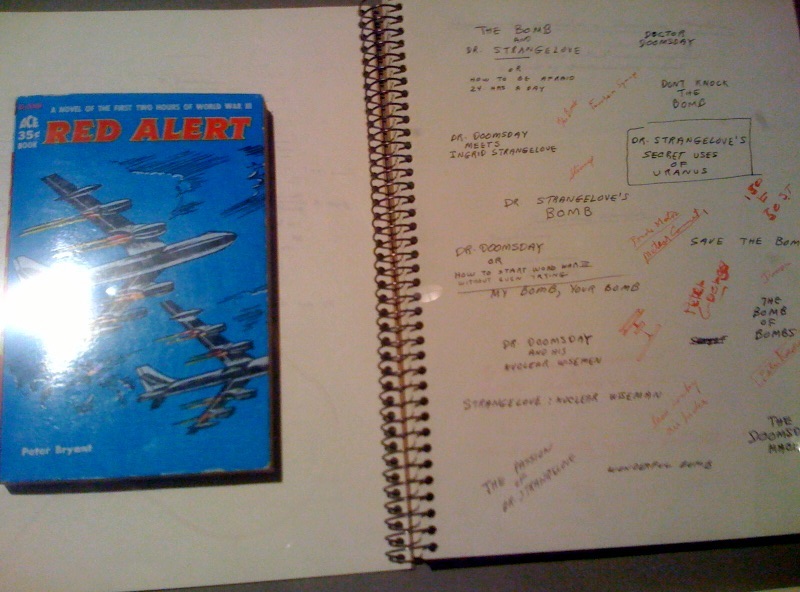
Copy of source material for Dr. Strangelove, with Kubrick’s notes for possible film titles
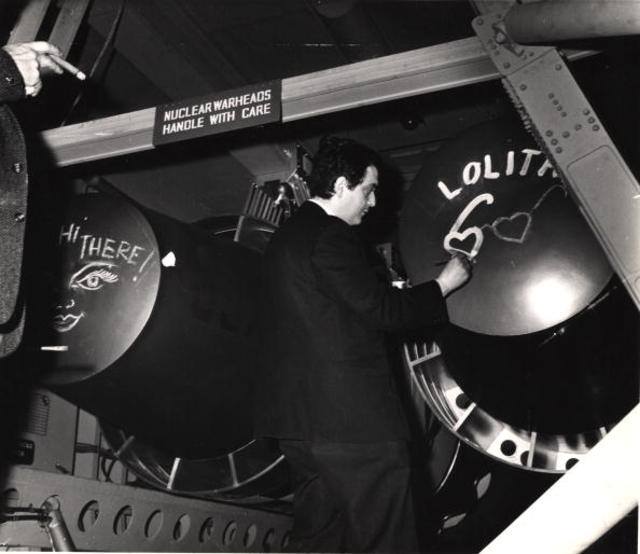
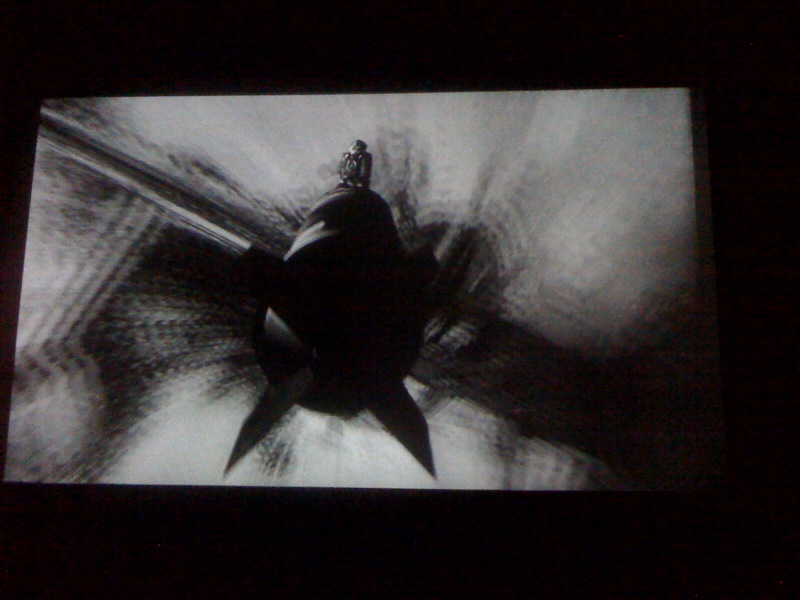
Riding the Bomb
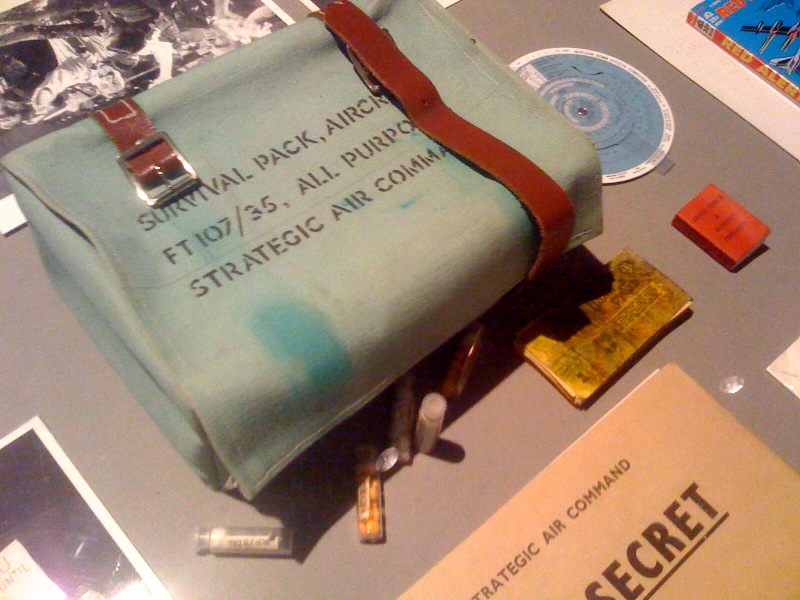
Who says doomsday is the end of the world?
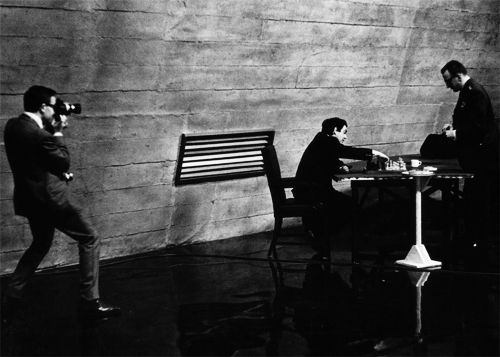
Peter Sellers filming Kubrick playing chess with George C. Scott on set of Dr. Strangelove

Polish poster for 2001: A Space Odyssey
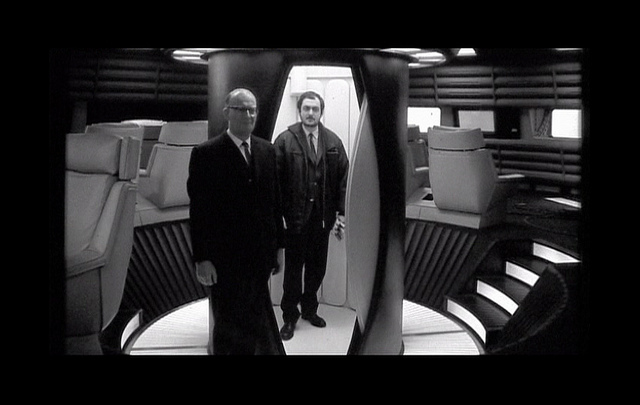
2001 co-author Arthur C. Clarke with Kubrick on set
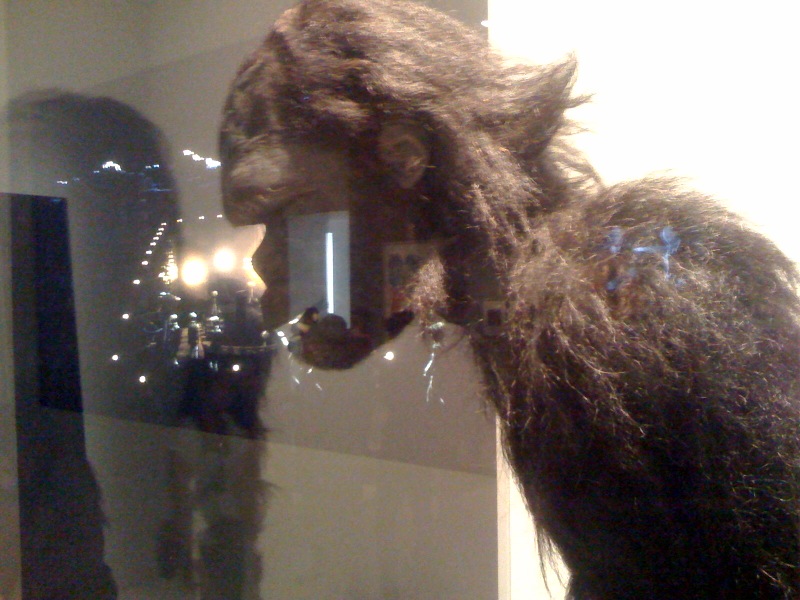
Stargazer….
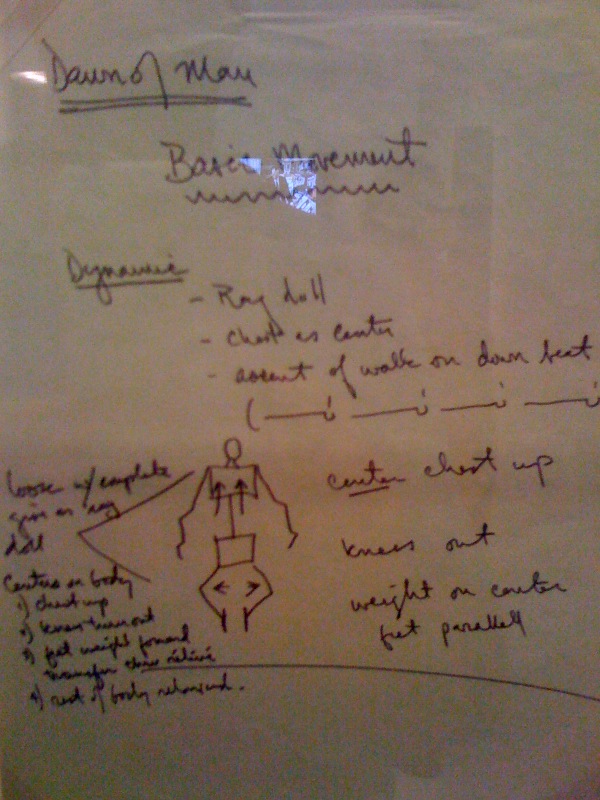
Designing movement for the Dawn of Man

Grasping new concepts (2001: A Space Odyssey)
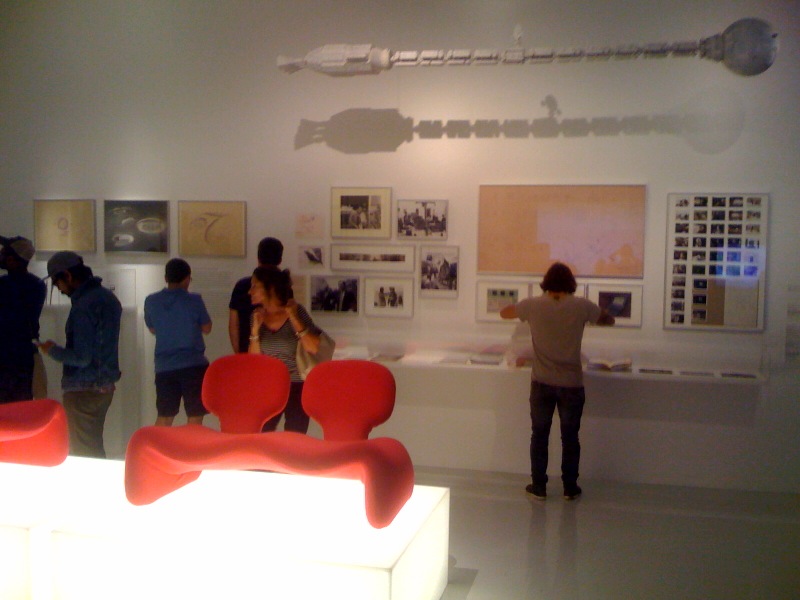
2001 in 1968

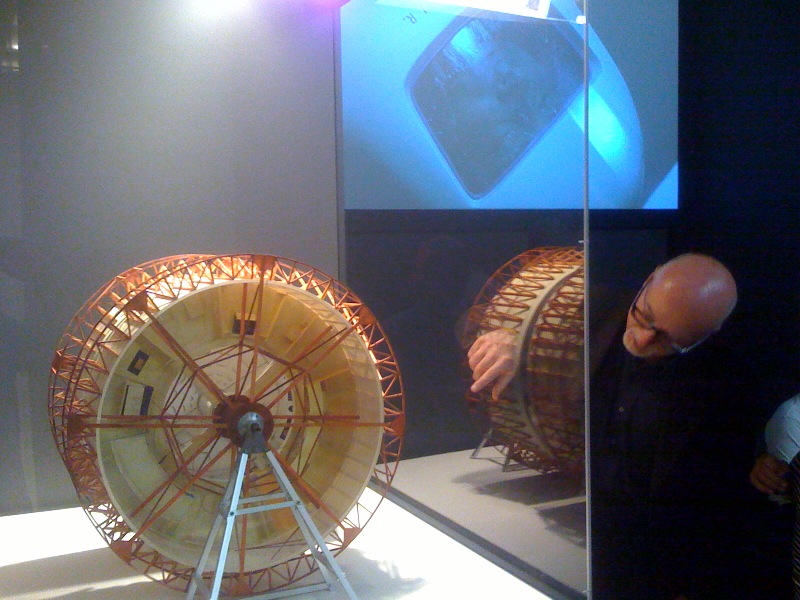
Model of the giant centrifuge set

The real thing

Filming inside the centrifuge set
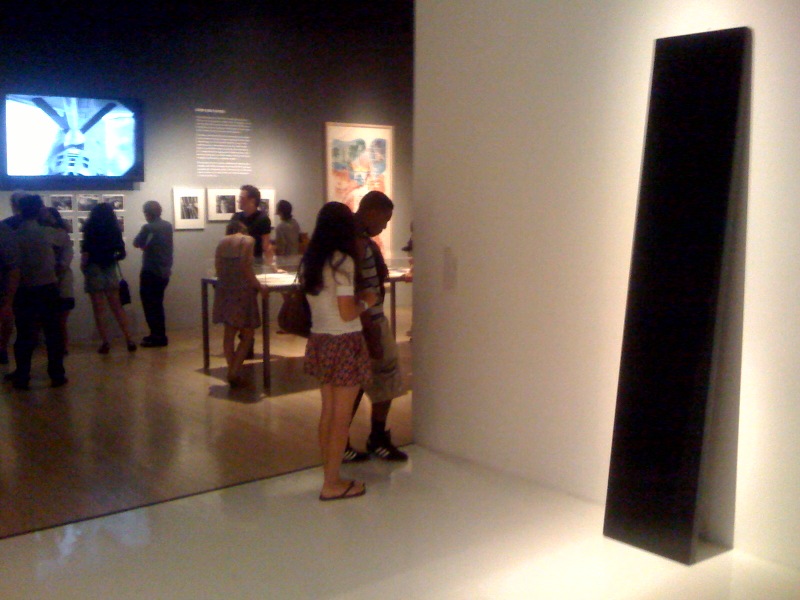
Caution: Unattended Monolith
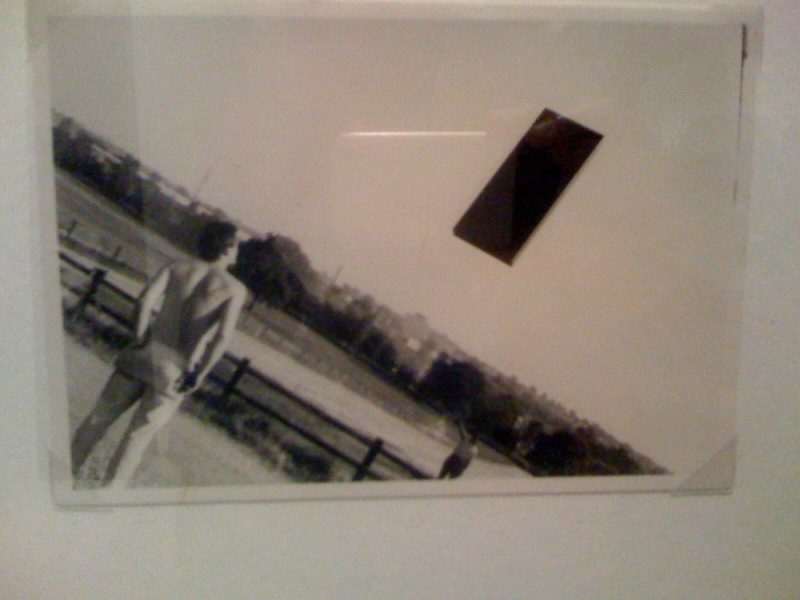
Early thoughts were to “fly” the monolith with wires. This idea was later abandoned.
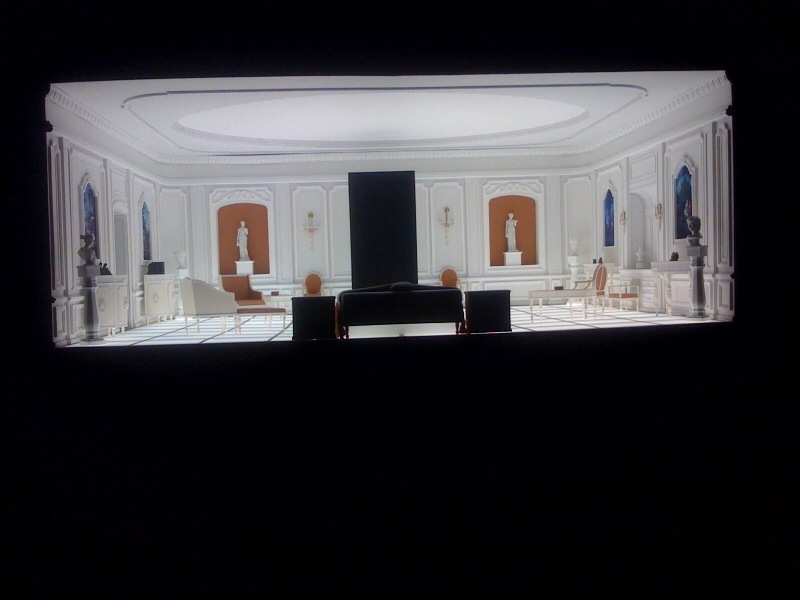
The alien in the familiar: suspended model of the White Room where Man takes the next step in his evolution (2001: A Space Odyssey)
One possible future of Man —


or another —
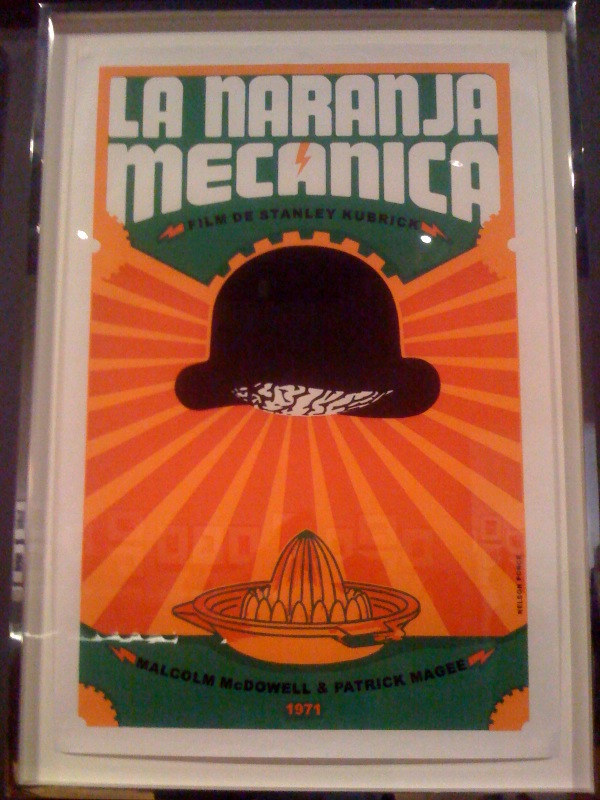
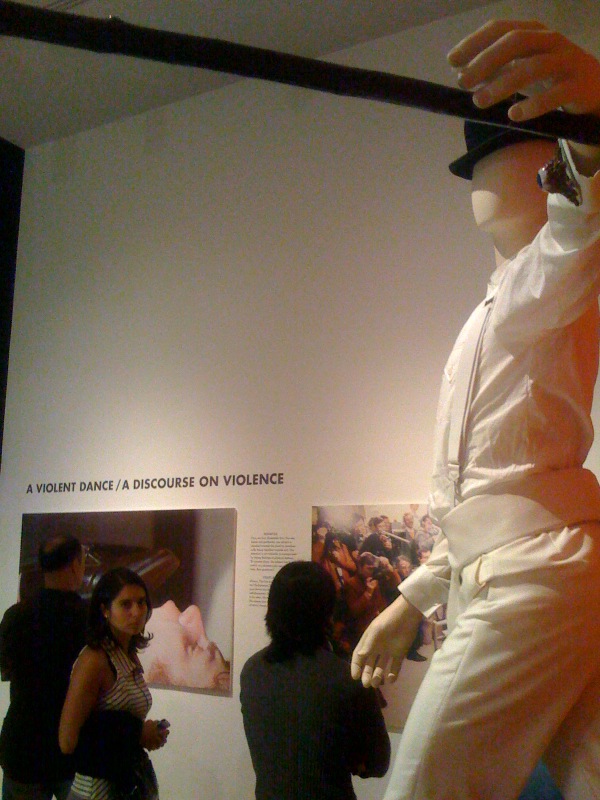
Even mannequin Alex inspires unease (A Clockwork Orange)
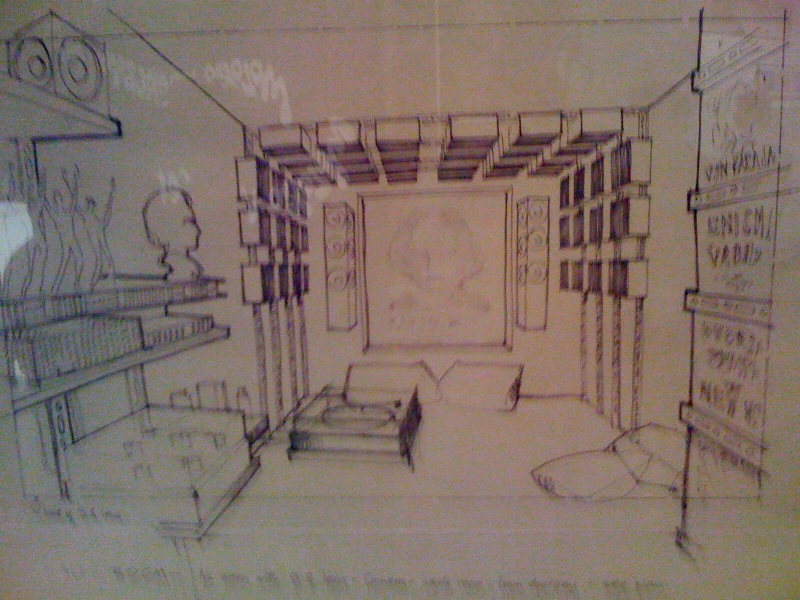
Design sketch for Alex’s room
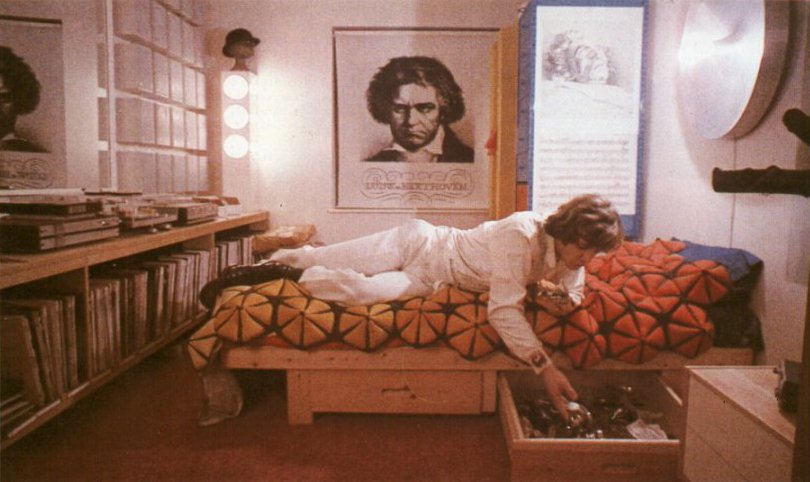

Fallout from the film led to Kubrick withdrawing it from circulation in the UK for 27 years. I had to travel to Paris to see it for the first time, dubbed into French
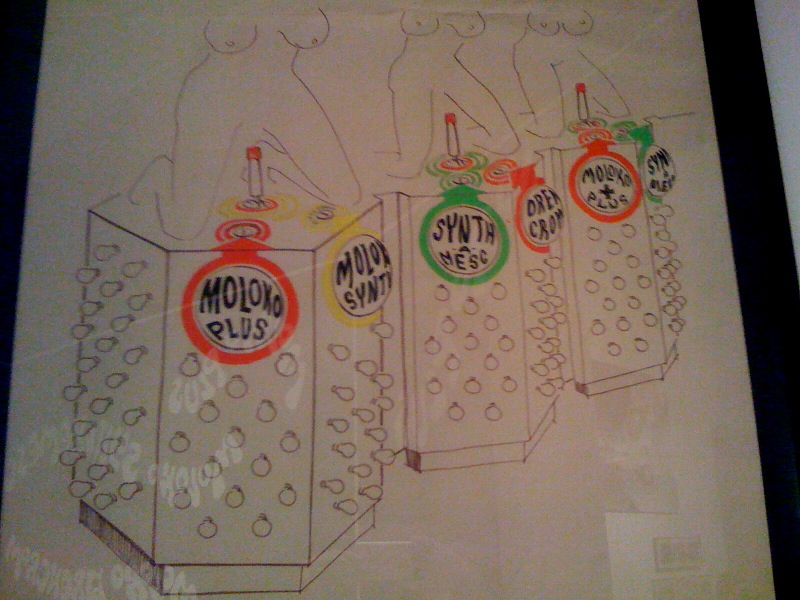
Set design sketches by John Barry

Got milk?

In which our Hero lies amidst the illusions of his invulnerability (Barry Lyndon)
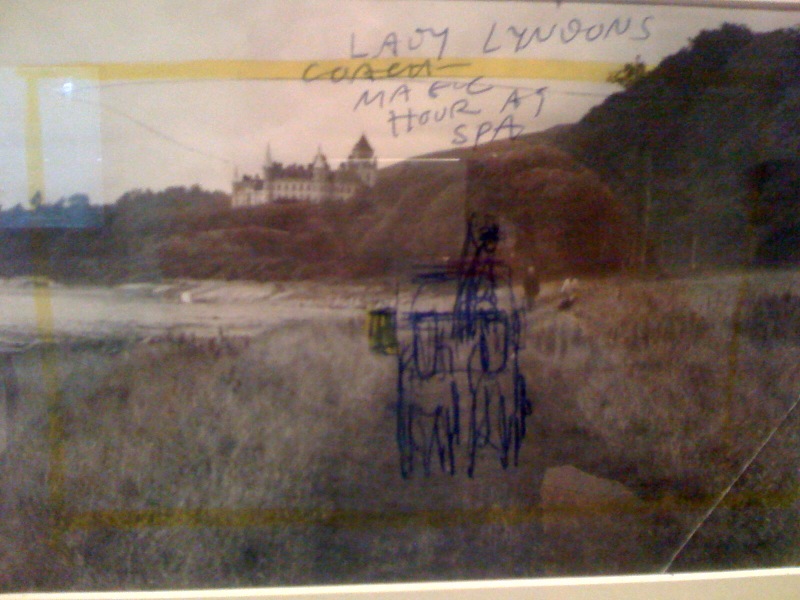
Kubrick would use location photos to storyboard, as with this shot of a carriage
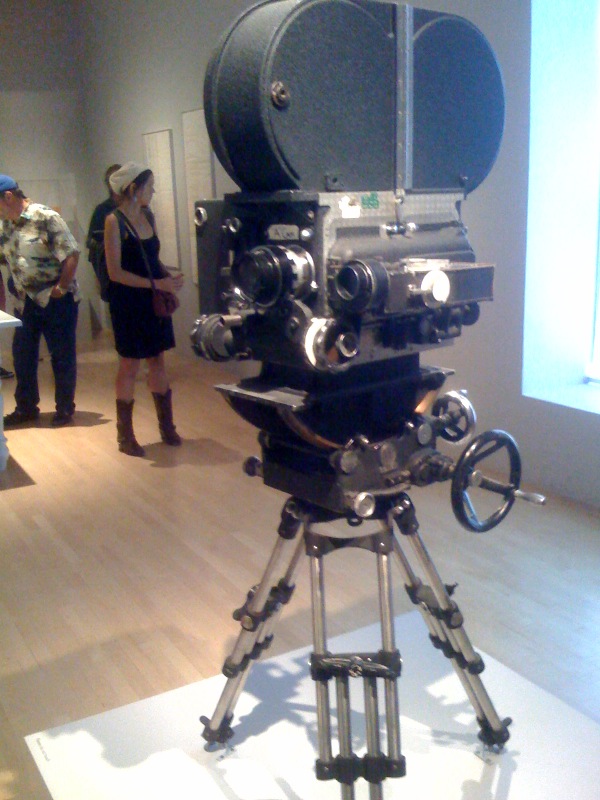
Customized camera and lens for capturing the impossible beauty of Barry Lyndon
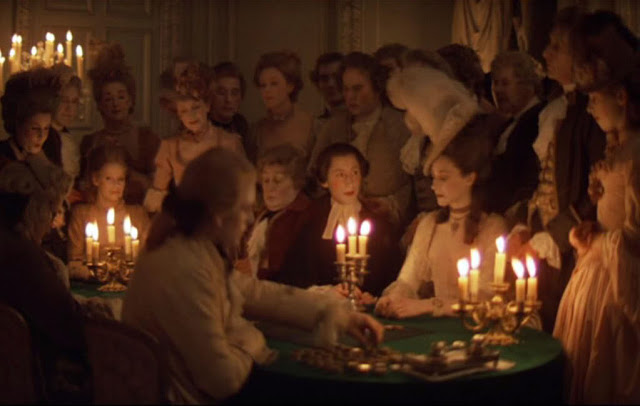
“My candle burns at both ends
It will not last the night;
But oh, my foes, and ah, my friends —
It gives a lovely light.”

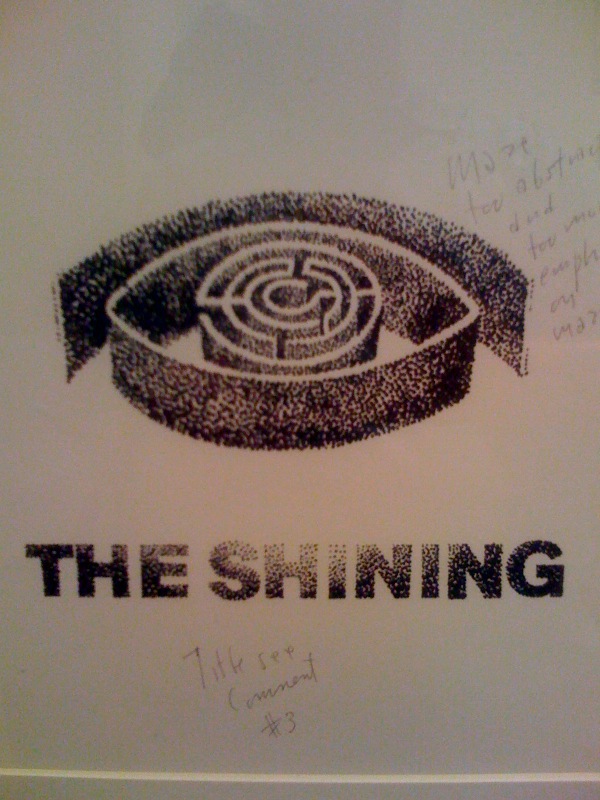
Early poster design by Saul Bass

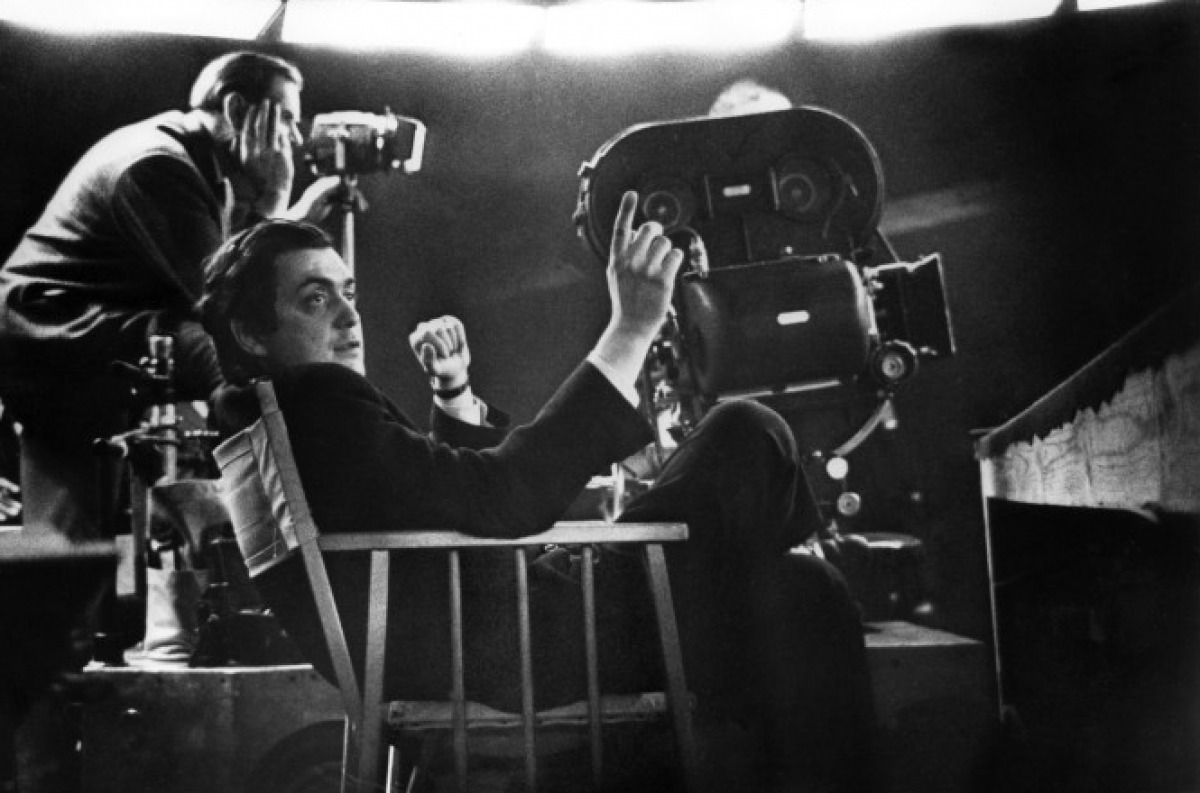
Kubrick and Jack Nicholson on set
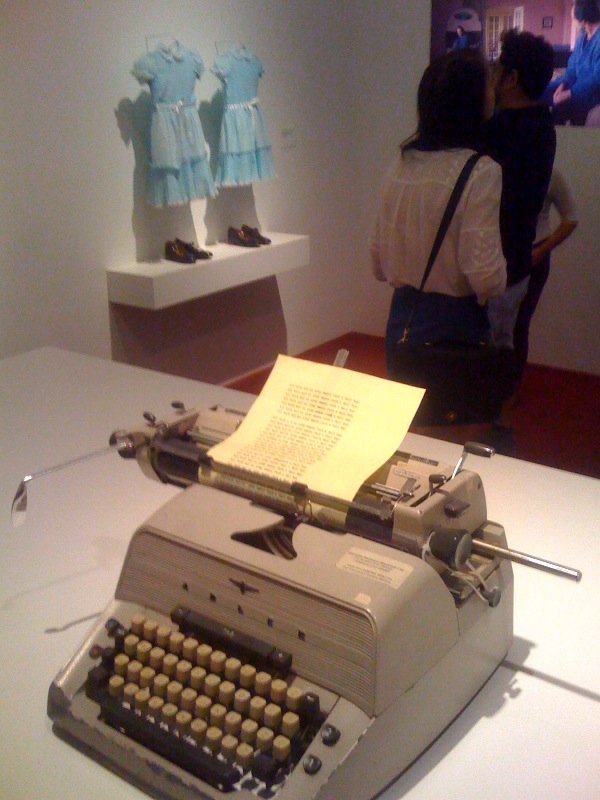
“All work and no play makes Jack a dull boy” (The Shining)
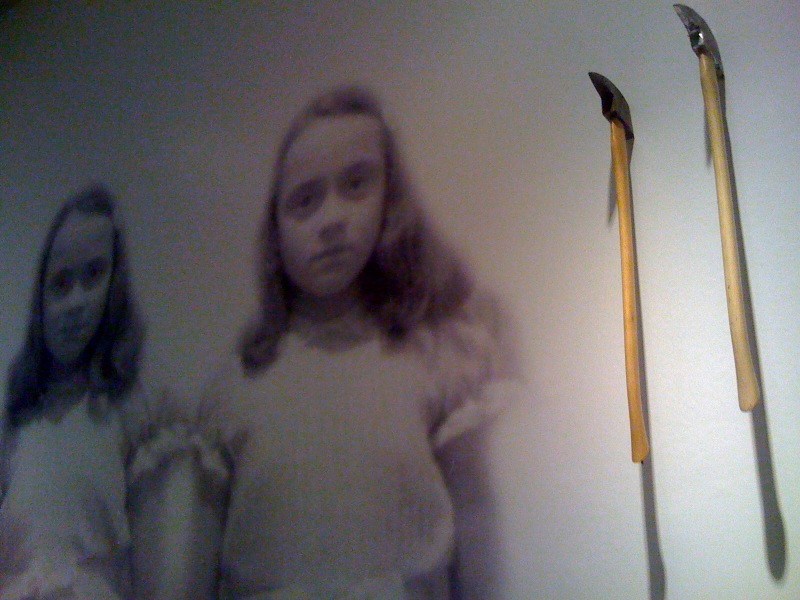
“Helloooo, DANNY!”

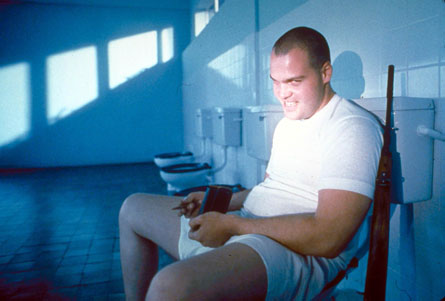
What critic Michael Ciment calls “the return of the repressed”, a strand of behaviour that weaves throughout Kubrick’s work, becoming a murderous psychosis signalled by a telltale look:

Private Pyle (Full Metal Jacket):
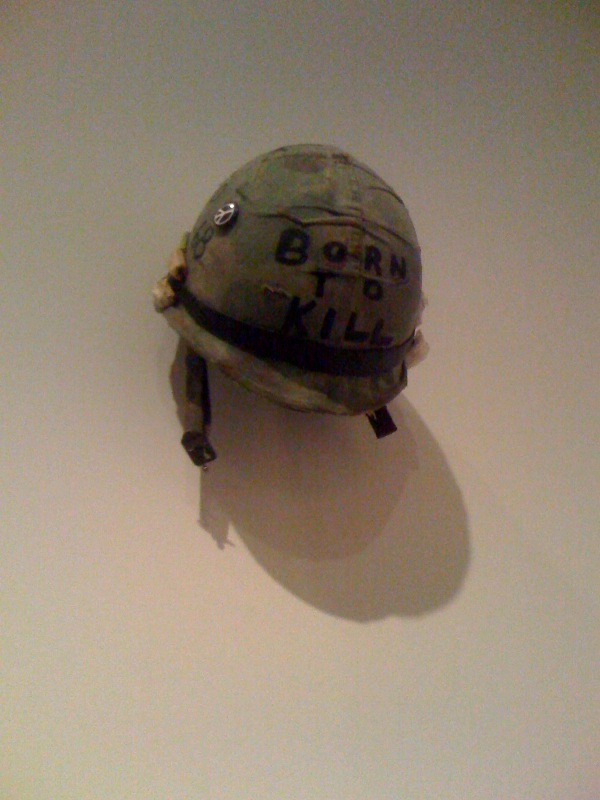
The duality of Man: Joker’s helmet from Full Metal Jacket
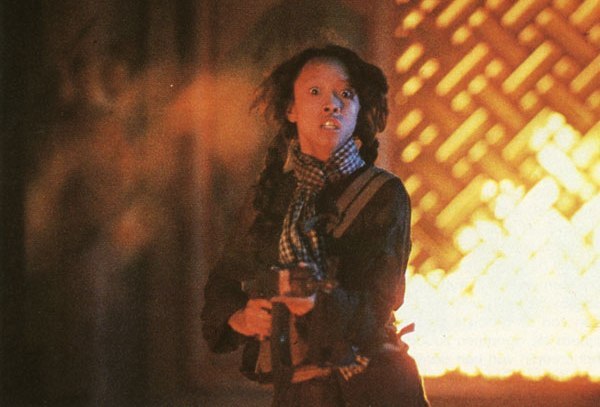
Enemy — thy name is Woman!

Cataclysms echoing endlessly through time: Aryan Papers installation (abandoned film project)
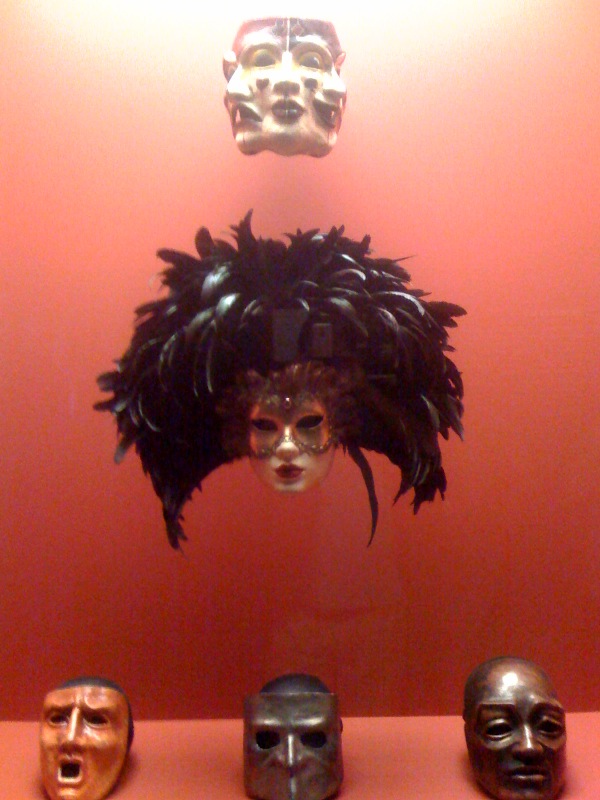
In flagrante delecto — Masques of the Red Death….

Masks of marriage…..

and celebrity….
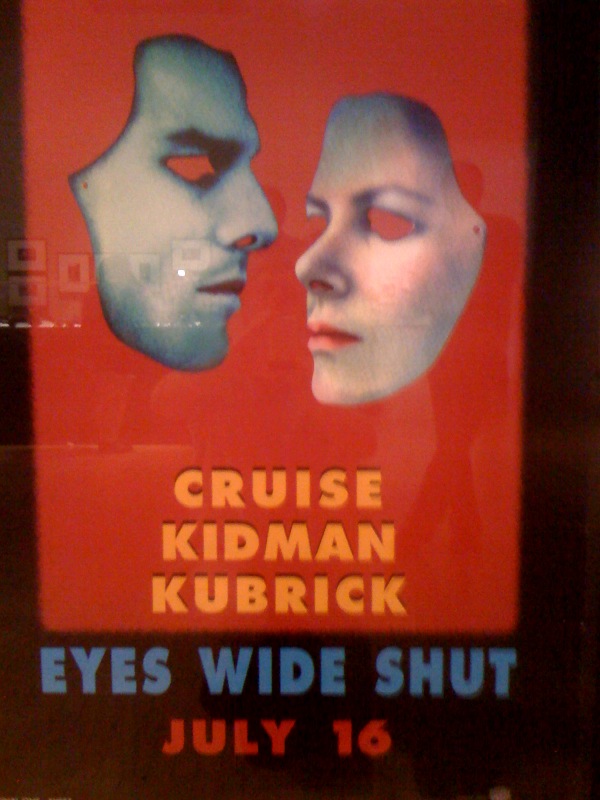
“Who’s been sleeping in my bed…..?”

In the room the people come and go….
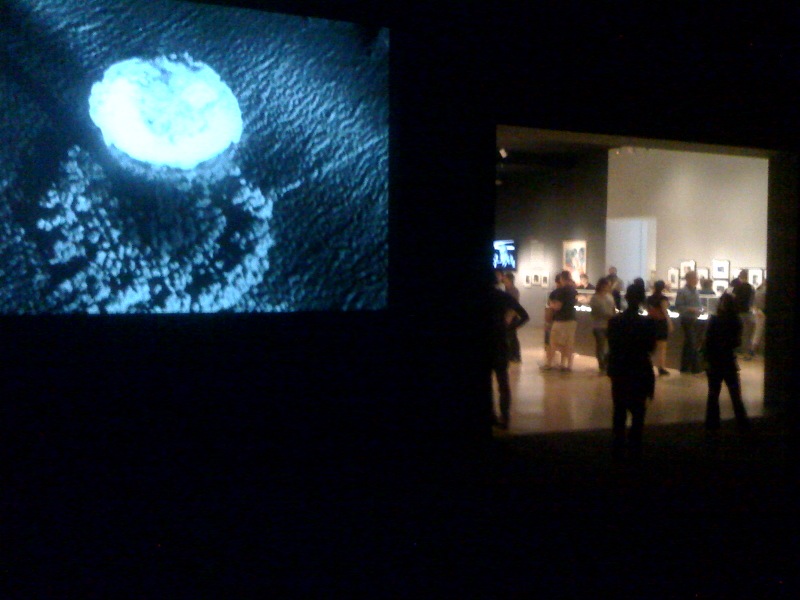
“We’ll meet again…”
Talking of Michelangelo….
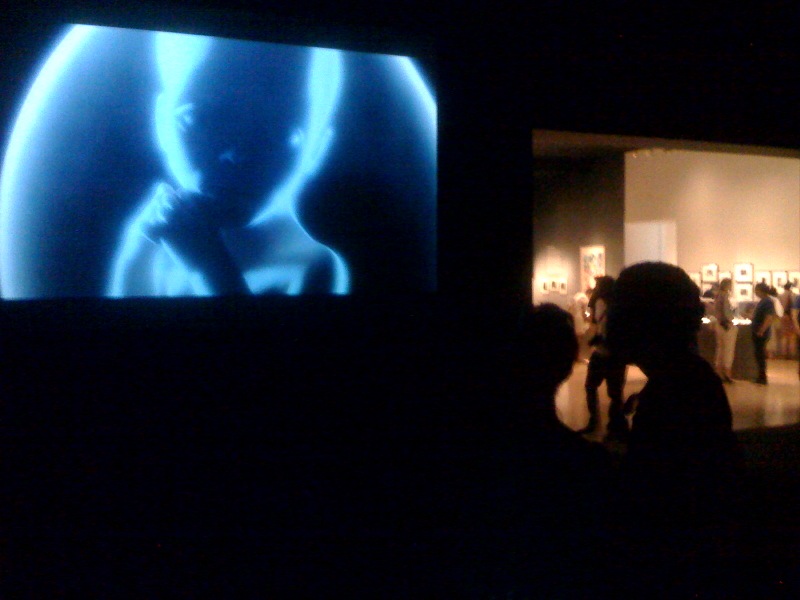
“…. some sunny day”
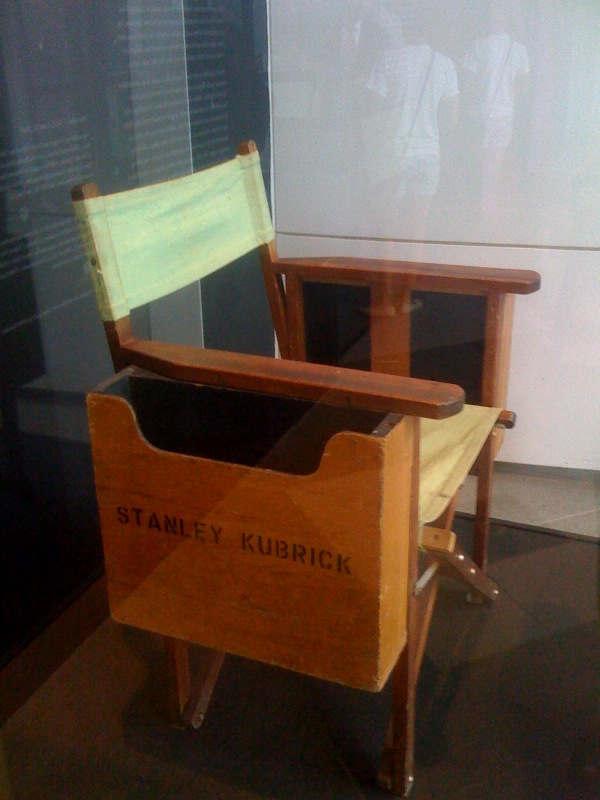
“…. and — CUT!”
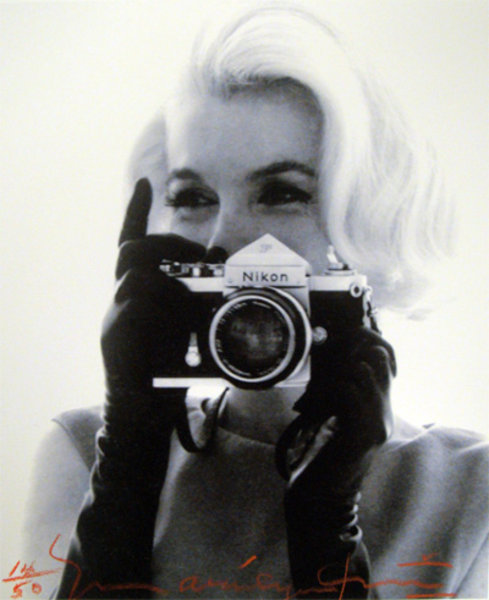
Bert shoots Marilyn:
And Marilyn shoots Bert:

 HOLLYWOOD ( and all that )